

“The broken promises are strewn across the country's memory.” — Tony Blair, writing in the 1997 New Labour general election manifesto (link).
The lag is real. Though the Covid-19 pandemic started around five years ago, its aftershocks will still be felt for years to come, impacting economics, politics and how we choose to live our lives.
You don’t have to look further than the 2008 financial crisis to see how these things play out.
Here in the UK it wasn’t until the middle of 2011 when the unemployment rate peaked at 8.4% (link), with youth joblessness (16 to 24-year-olds) rising to more than 22% as a generation of graduates questioned why they put themselves into debt.
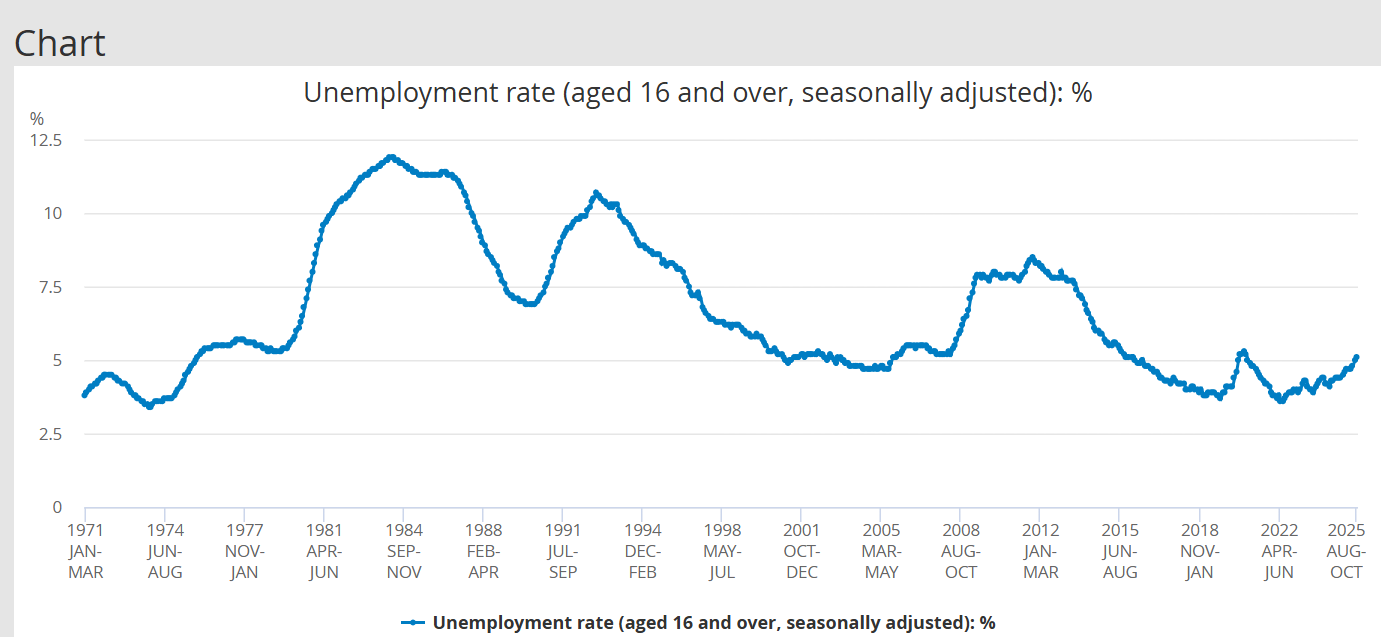
Today, unemployment is back on the rise for our future workers. As it stands, the rate has climbed to 16%, up from 10.9% around the same period in 2022 (link).
Without substantial economic growth, another youth unemployment crisis surely awaits. This time there’s more debt, higher rents and a generative AI revolution to deal with.
Understandably, hundreds of thousands of Britons are voting with their feet and leaving the country, many for good (link).
For everyone else, those pandemic habits have institutionalised themselves into our daily lives. Less eating out, more frugalness and a pickier perspective when it comes to consumption.
Here’s what Ken Murphy, the boss of Tesco, the UK’s largest supermarket chain, is noticing (link):
Moving on to that, the customer sentiment and how they’re feeling. I think the best way to describe it is mixed.
I think that the shopping habits they’ve built in over the last three or four years following the initial cost of living crisis have stuck. And in some ways, some of them have been accentuated. So, you are seeing an increase in fresh food purchases.
Which I think is a good thing for the health of the nation. But also, an indication of a trend of more scratch cooking, more cooking from first principles.
We’re also seeing though a trend of more dining in, in weekend and evening occasions, as evidenced by the strong growth in Finest of over 16% which is now lapping three years of consecutive strong, double-digit growth.
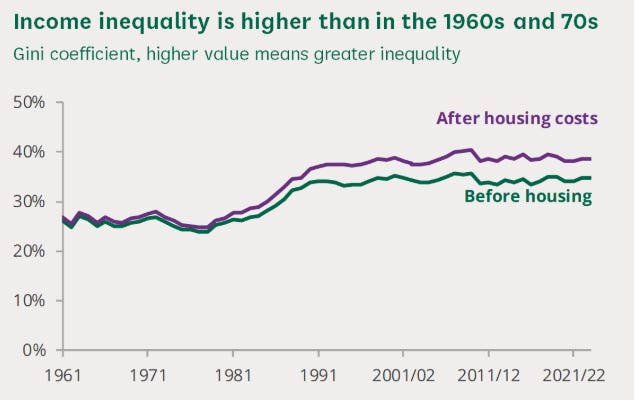
The rich, meanwhile, who have benefited from an asset price surge (link), keep getting richer (link), in what has been dubbed a ‘K-Shaped economy’.
These trends aren’t going anywhere, at least for now, and they will decide who wields political power going forward.
Trump benefitted from the situation when he took on Joe Biden and Keir Starmer’s Labour Party was able to kick the Conservatives out of government last year because the economy was performing so badly (Rishi Sunak seemed relatively competent in Number 10, but he was cursed by his predecessors).
Heading into office, Starmer and his Chancellor Rachel Reeves promised not to raise taxes on workers and prioritise economic growth. On both counts the pair have failed, the media has turned on them (link) and there is endless speculation about the Prime Minister’s future.
Increasingly, D-Day looks like the 7th of May. That’s when elections will be held for the Welsh and Scottish Parliaments as well as local authorities across the rest of the UK.
Once again, the government has decided to delay some of the crucial votes (link), but a bad result at the ballot box could still trigger the beginning of the end for Starmer.
Left-wing rivals, including the Health Secretary Wes Streeting (link), are already setting their stalls out should the ‘ball come loose at the back of the scrum’, as Boris Johnson once quipped.
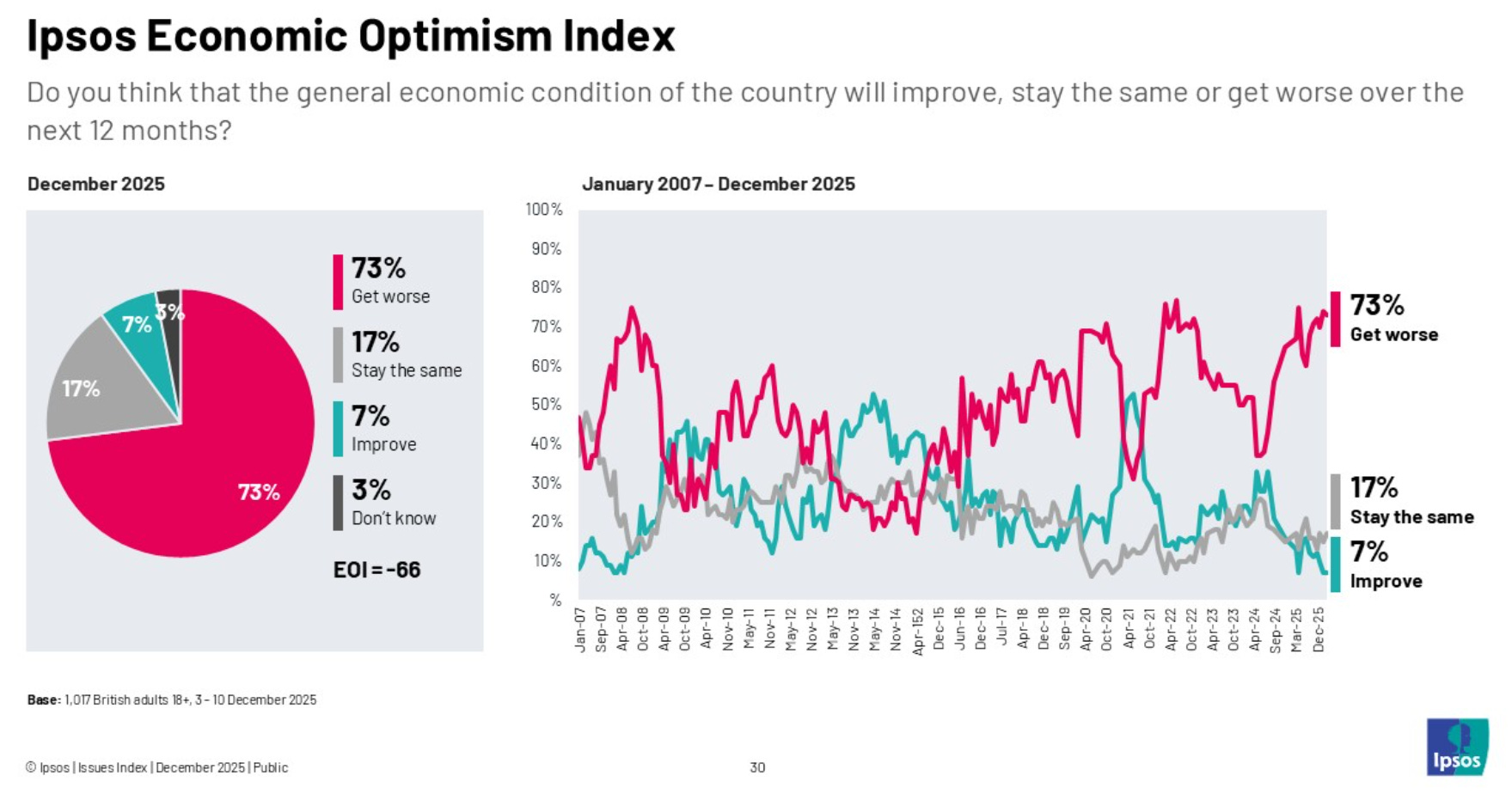
It’s all looking quite precarious as a general sense of economic doom and gloom permeates throughout the country (link) like a nasty case of mould.
But politics being politics, Labour’s rivals have been able to seize upon the dire situation.
Nigel Farage’s Reform Party has picked apart the government’s record on immigration and crime, while the Conservative Party, under the now semi-stable leadership of Kemi Badenoch, has put the economy at the heart of their campaigning.
Elsewhere, The Green Party and its new leader, Zack Polanski, a former hypnotherapist (link), has attacked Starmer over the Israel-Gaza conflict and his administration’s renewable credentials.
Labour has subsequently leaked votes left, right and centre, ending the year in joint third place:
Reform: 30%
Conservatives: 18%
Labour: 16%
Greens: 16%
Liberal Democrats: 12%
Source: Politico’s Poll of Polls (link)
As for the Prime Minister himself, just one in six Britons (18%) have a favourable opinion of Starmer, according to YouGov.
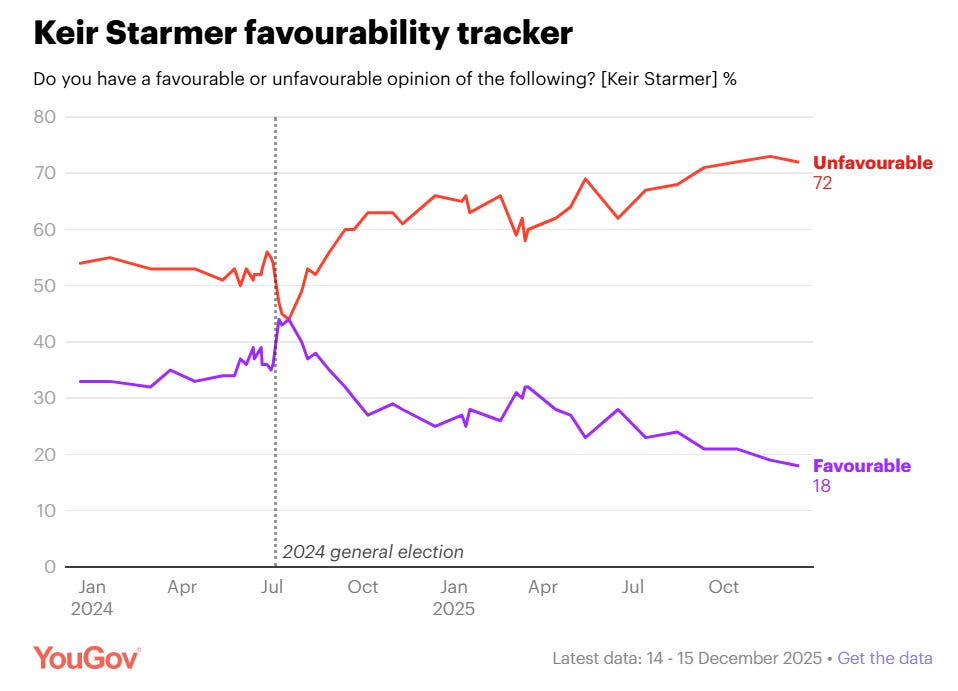
You would expect another restart from Number 10 in the New Year. This would be Starmer’s second, having already attempted a post-election rejuvenation in the winter of last year (link).
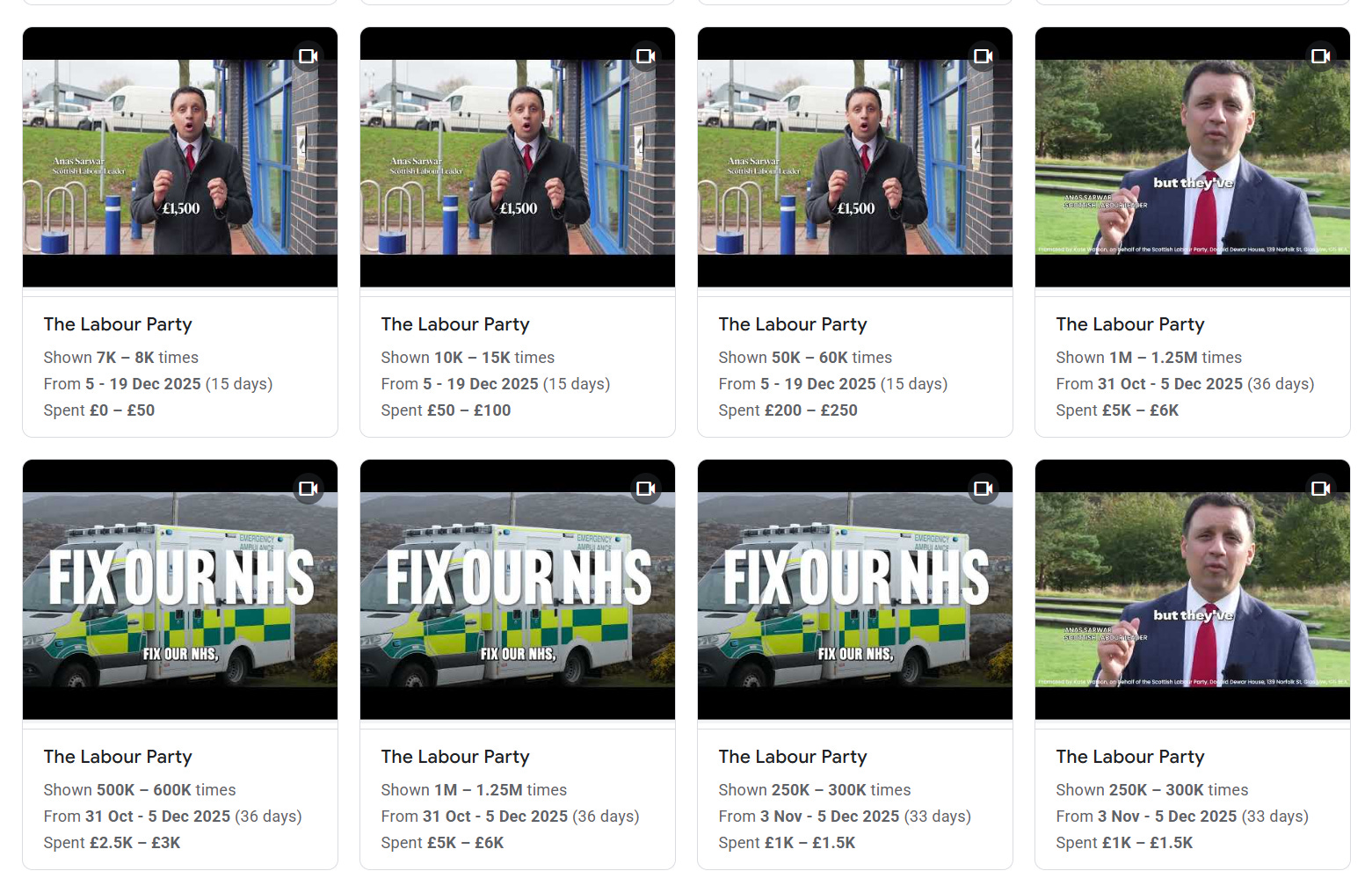
But, as it stands, data across social media transparency portals reveal that Labour is heavily prioritising the campaign of Scottish Labour leader Anas Sarwar.
He’s pushing bread and butter Labour messages across Facebook, Instagram and YouTube against the SNP. Labour would cut energy bills and improve the NHS north of the border if the party was in charge, Sarwar has claimed across various video formats.
Meanwhile, Rosie Wrighting, the Labour MP for Kettering, is increasingly being promoted by the party on social media alongside a cost of living-focused message (link).
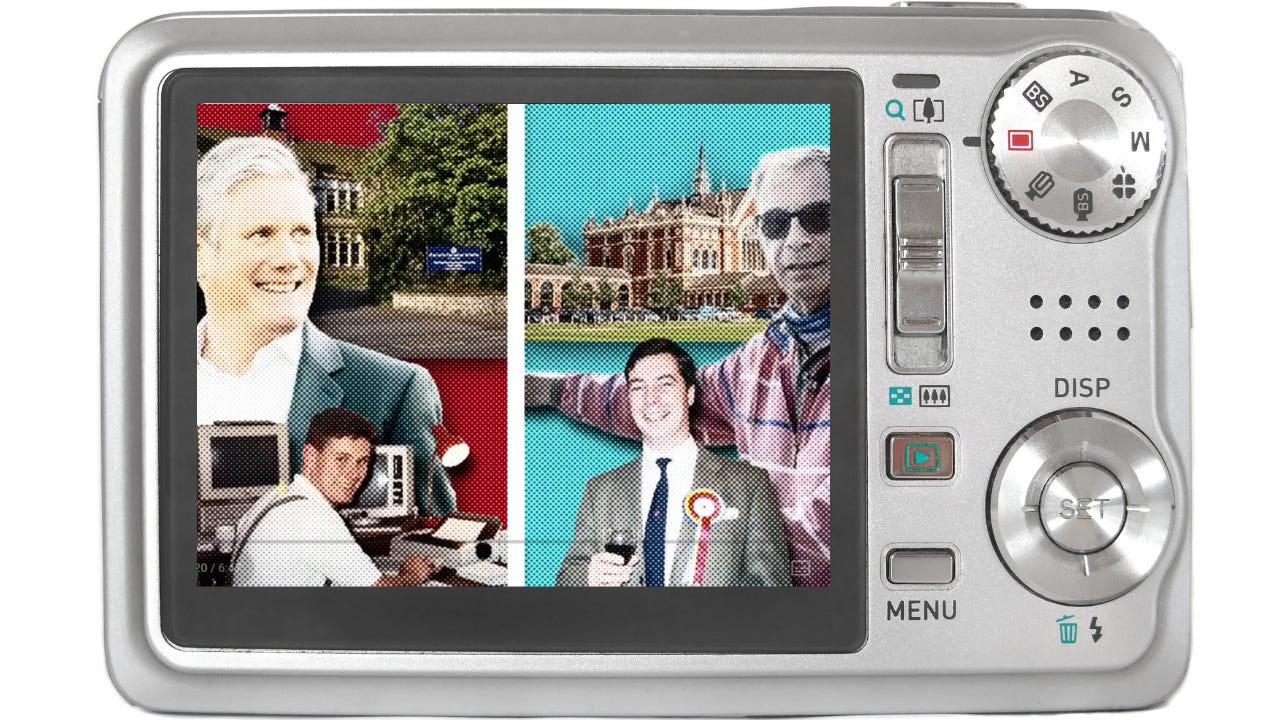
Fellow East Midlander, Natalie Fleet MP, is also featured heavily across Labour’s channels as well as anti-Farage videos, contrasting Starmer’s upbringing to the private school boy (link)
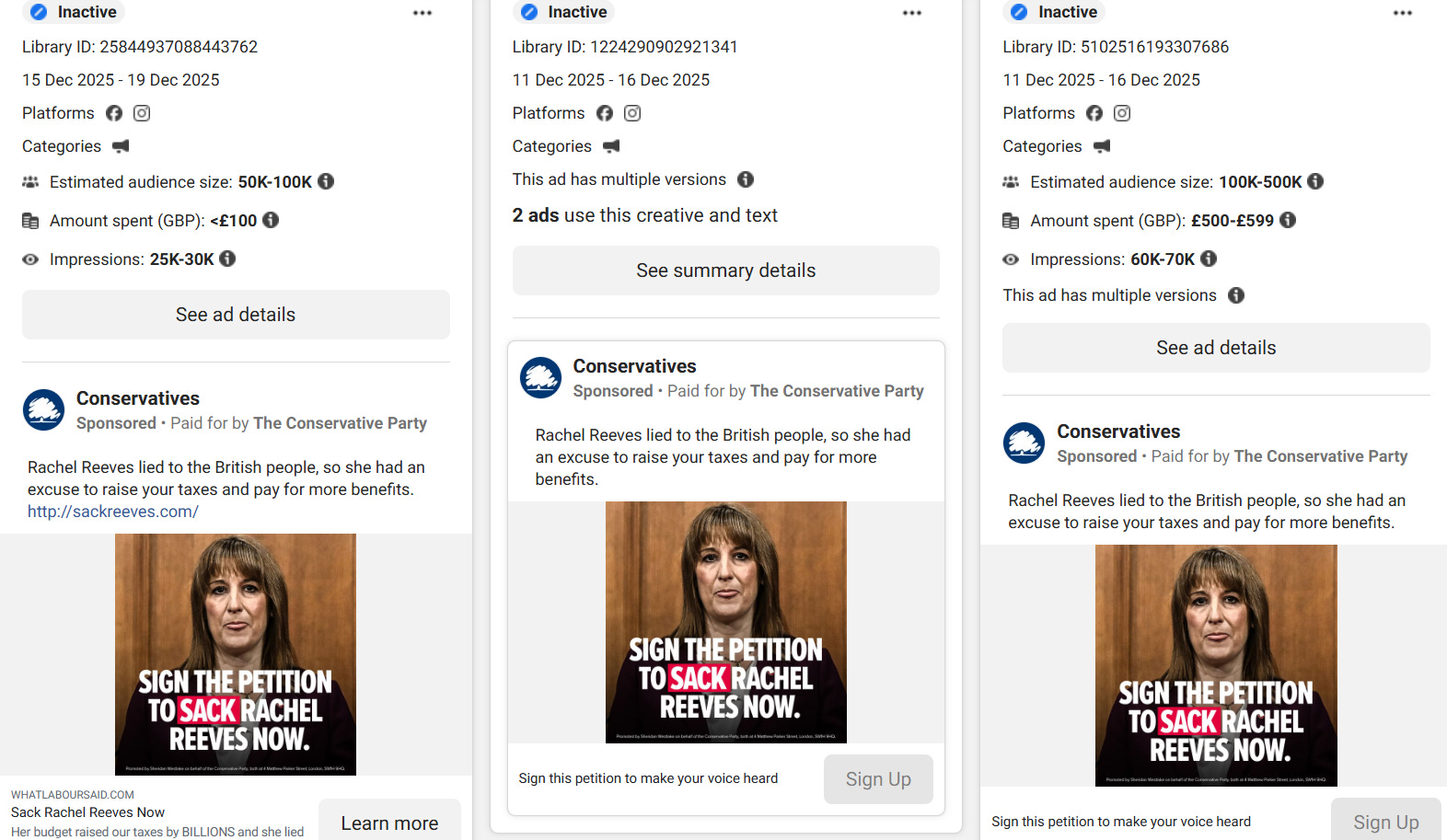
Reform, meanwhile, heads into 2026 pushing a ‘Broken Britain’ message (link) and backing what it calls ‘alarm clock Britain’, whilst urging its supporters to ‘never trust a Tory’. As for the Conservative Party, it has almost been purely focused on piling the pressure on Rachel Reeves, as outlined below.
For Polanski’s part, The Green Party has done very little on the paid-for social media front, but the leader has appeared on popular YouTube shows and has even launched his own podcast, Bold Politics. The move aligns with where voters are at — YouTube is universally popular in the UK (link).
Finally, the Liberal Democrat party seems to be running out of steam as we approach 2026. Even though Ed Davey’s stunts during the 2024 general election saw the party hit above its weight in the media, mostly because it was all a bit mad (link), the party has failed to capitalise on the attention.
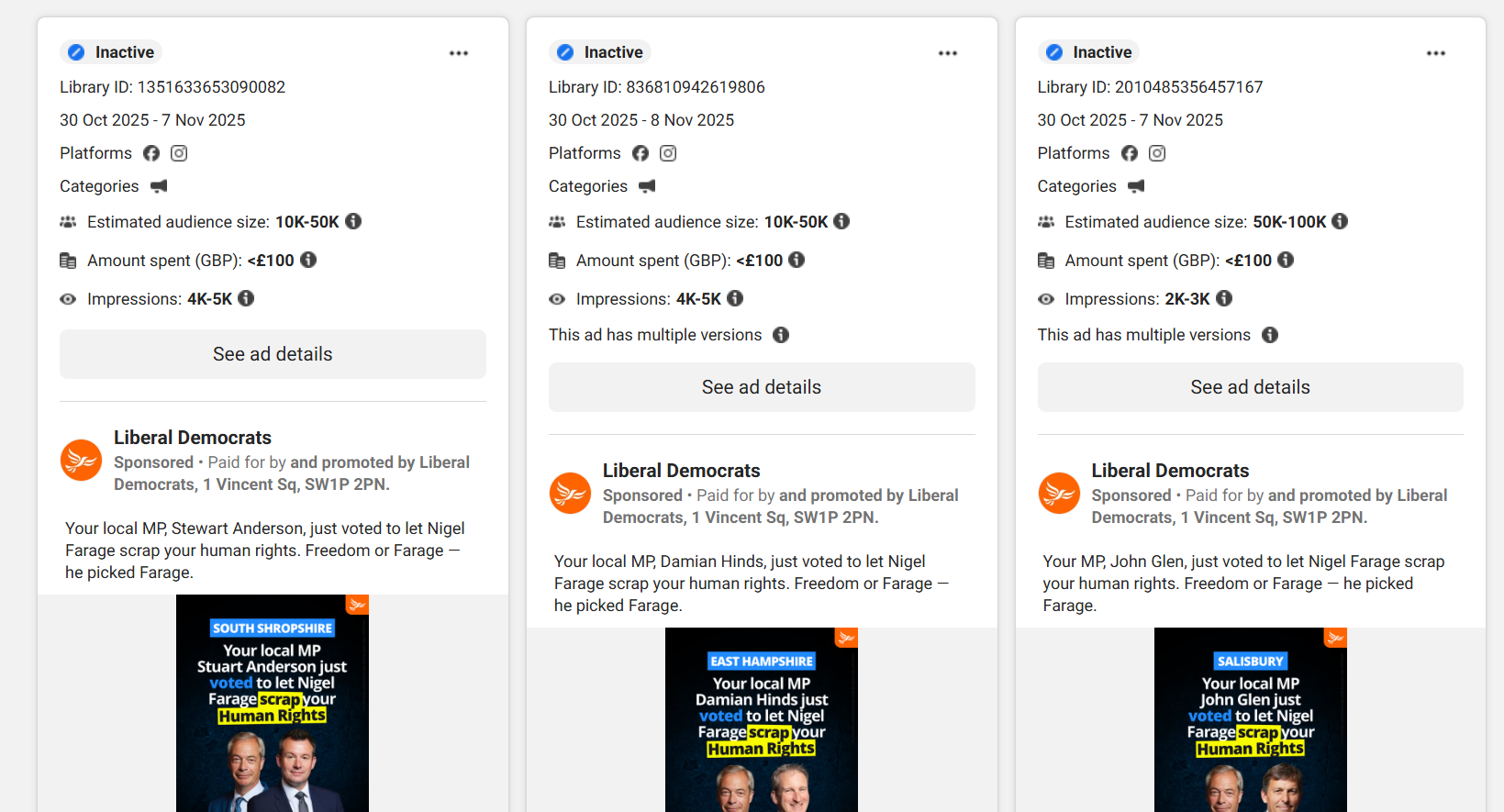
It has most recently ran a series of attack ads, focusing on the Tory seats of East Hampshire, South Shropshire and Salisbury, all constituencies the Liberal Democrats will heavily contest at the next general election.
Returning to Number 10, its looks like the penny had dropped, via new(ish) comms chief Tim Allen, that social media is the present and the future.
For the Lobby, the assorted groups of political correspondents, that means they will get less briefings as content creators are asked to join press conferences.
The Spectator’s James Heale has dubbed it a ‘war on the Lobby’ (link), but the move could well spawn the next generation of political media stars, as we saw during the televised briefings during the pandemic.
There will also likely be a re-concentration on the media in Wales and Scotland, with nationalist parties Plaid Cymru and the SNP leading in the polls.
But, alas, the air-war can only get you so far in politics. You need a good ground game too, something which Labour has been adept at (so far).
Latest from TPM
In Search of The Online Millennial Man (link)
A Subtle Form of Censorship? (link)
Why The Big Short Bros Are Back (link)
Recommended reading